The popularity of AAC Block adhesives in recent years has people wondering what exactly makes them so special. To answer that question, we’ll need to look into the various properties and features exhibited by this specialty product. The construction industry, as it stands today, prioritizes efficiency and durability.
Perhaps this is why AAC blocks are quickly becoming a staple in the construction of both residential and commercial projects. Considering the popularity of AAC blocks, the rise in demand for AAC block adhesives was inevitable.
Builders and contractors prefer AAC block adhesives over traditional cement-based mortars because the former promise high-performance with better bonding strength.
In this article, we at Magnus Ventures want to focus on what just what makes these adhesives better than their counterparts in the market today.
So, without much further ado, let’s dive in.
A Brief Overview of AAC Block Joint Adhesive
Simply put, this adhesive entails a ready-to-use single-component polymer-modified grey adhesive that was made for fixing or installing blocks. It is specifically formulated to fix AAC blocks, fly ash bricks, and hollow blocks. The polymer-modified formulation, alongside the addition of graded additives, renders this material with enhanced workability and adhesion.
They are a far cry from traditional mortar-based cements in just about every aspect. For instance, while traditional mortar can only be applied on thick joints, this adhesive mortar for AAC blocks works well in thin layers of around 3-5mm.
This capability to work on thin layers is just one of the reasons why builders today prefer this adhesive over the alternatives.
The Benefits of AAC Block Adhesives
Now that you know what these adhesives entail, allow us to highlight some of their many benefits.
1. Excellent Bonding Strength
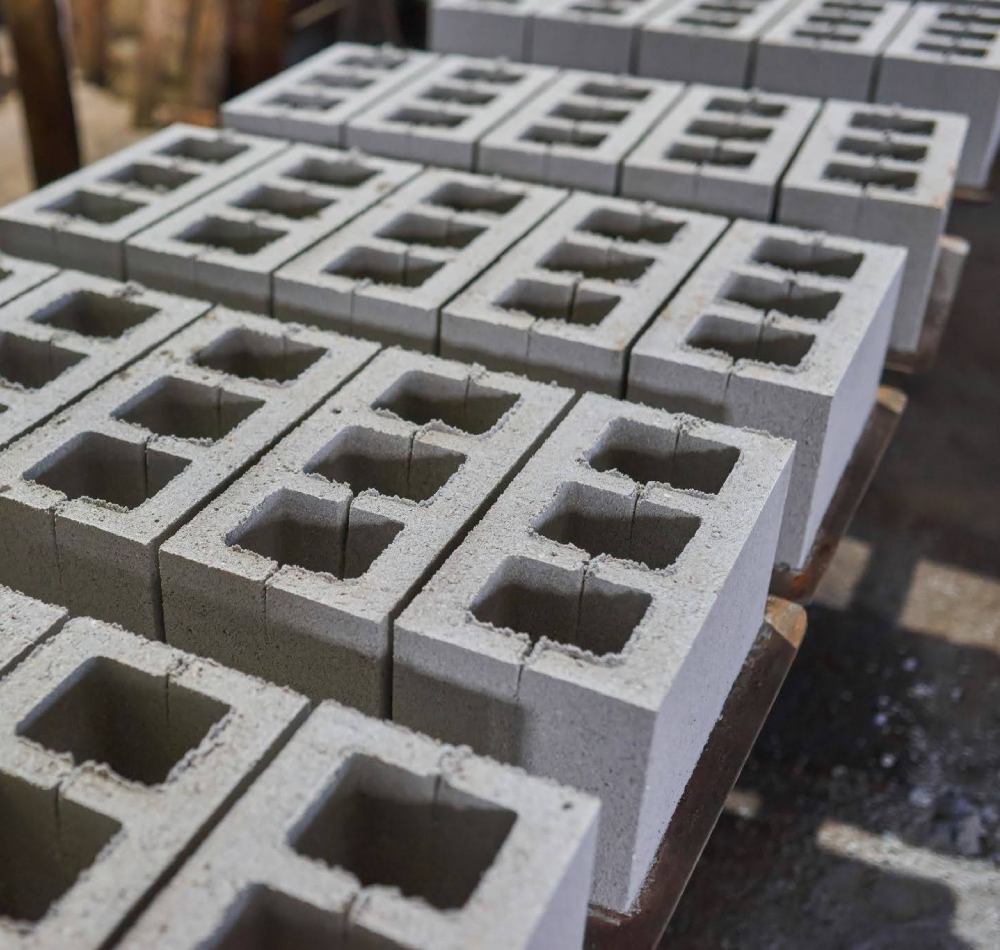
Good bonding strength is the first quality builders or contractors will seek when looking for an adhesive to fix blocks. Traditional mortars are simply not suitable for fixing AAC blocks, as these blocks are known for their porous nature and cellular structure. AAC Blocks are also known to absorb moisture quite briskly, thus weakening hydration and severely affecting bonding performance.
These are all issues you can easily fix with an adhesive supplied by the best AAC block adhesive manufacturers out there. As we mentioned before, these specialized adhesives are polymer-modified and contain graded additives. Both of these elements contribute to the material’s overall adhesive strength.
A good quality adhesive will offer the strength necessary to maintain a wall’s structural integrity for years to come.
2. Low Water Wastage
It is estimated that a single construction site can waste about 10,000 liters of water in a single day. That’s an ungodly amount of waste for a country with many sections of the population still struggling to access clean drinking water. Traditional mortar demands a high volume of water for curing and mixing.
On the other hand, the best adhesive for AAC blocks is engineered to exhibit remarkable water retention properties. These adhesives require very little curing time, thus considerably reducing water consumption.
As such, there is a clear incentive here for builders to go for the modern alternative instead of its traditional counterpart. Not only does the use of this material streamline construction endeavors, it also makes those endeavors environmentally responsible.

3. Reduced Material Wastage
Traditional mortar consumes a lot of material, and this is perhaps one of its most frustrating characteristics. After all, think joints will naturally need more cement and sand. This not only increases the volume of material you need but also results in costs rising beyond control.
As we said before, AAC Block adhesives are designed for application in thin joints of about 3-5mm. This means they consume less material. By relying on this modern adhesive, you stand to reduce material wastage by around 70%.
Reduced material wastage would obviously reduce costs while also reducing clutter on site. What you get with these adhesives is a substance that’s both cost-effective and delivers efficiency.
4. Crack Resistance
Thick mortars exhibit high shrinkage while curing. This can result in more stress, and you could end up with cracks on the walls. This is another area where AAC block adhesives come out as the better alternative. These adhesives are formulated to exhibit low shrinkage. The polymer modification also means these adhesives are highly flexible.
The thin joints minimize the concentration of stress, thus making the walls more capable of withstanding cracks. Thanks to this quality, builders prefer these adhesives for projects where long-term durability and low maintenance are critical requirements.
5. Cost-Effective
Despite its benefits, many builders turn away from this modern adhesive because of its high initial cost. What they don’t understand is just how economical its application can be in the long run. Sure, AAC block adhesives are relatively more expensive, but they are easy to apply.
They exhibit better water retention properties, facilitate thin joints application, and guarantee good bonding strength. This reduces the number of maintenance or repair works you’ll have to undertake down the line. Using these adhesives also expedites the application process, allowing builders to conclude the project much sooner.
When you look at all of these benefits combined, you’ll realize just how cost-effective it is to invest in this specialized polymer-modified block adhesive.
6. Eco-Friendly
One thing traditional mortar will never be is eco-friendly. That is ultimately what puts these modern block adhesives on a different pedestal. The ones manufactured by Magnus Ventures carry IGBC “Green Pro” certification. AAC Blocks, by their innate nature, are considered eco-friendly. By using block adhesives to fix them, you are basically adopting a sustainable development practice.
By preferring those modern adhesives over their traditional counterpart, you are already reducing the dependence of your project on sand and cement. You are guaranteed reduced material and water wastage with the modern alternative.
AAC Block adhesives are perfect for builders who wish to reduce their carbon footprint and contribute to environmentally friendly green building practices.
Conclusion
We don’t think there is a deep-seated mystery that needs to be unraveled to understand why block adhesives are so popular today. More contractors and builders are going out of their way to use AAC blocks as a key element in their projects. Naturally, this has pushed the demand for block adhesives that are tailored to assist in their fixing or installation.
One glance at its many properties and you’ll realize just how beneficial it is for the construction industry to steer clear of traditional mortar in pursuit of high-performance AAC block adhesives. That said, you must purchase these materials from a reputable supplier. This is where Magnus Ventures comes into play.
Magnus Ventures is home to an innovatively engineered AAC Block Adhesives that are eco-friendly and exhibit many of the advanced properties we’ve highlighted in this article.
Visit the product’s official page or learn more about the product by getting in touch with a Magnus Ventures representative.